
The Core of Modern Online Casinos: Understanding B2B Software & Platform Providers
When I first explored launching an online casino, I quickly learned the real engine isn't branding—it's the unseen B2B igaming platform powering everything. This backend casino software handles the entire player experience, from games to cash-outs. Choosing the right provider is the most critical (and expensive) decision you'll make.
Top-tier B2B casino platform providers like Playtech or EveryMatrix supply the essential casino platform software. They license it to operators for a share of revenue, often 20-40% of GGR. This foundational igaming technology platform from renowned casino software providers powers the entire operation, enabling features such as online casino tournaments and secure player onboarding processes. Without this specialized gambling software, launching a compliant, competitive casino is virtually impossible. For operators seeking a comprehensive B2B igaming platform solution that integrates seamlessly, a visit to a resource like https://turnkeycasino.ca/ can be invaluable for understanding the full scope of required components, from slot aggregator platform connections to robust casino GGR management tools. The front-end your players see is just the tip of a massive technical iceberg, which also includes critical backend systems for casino payment processing, slot RNG certification, and maintaining strict PCI compliance casino standards throughout the entire infrastructure.
Unpacking the Key Components: Casino Aggregators, Slot Providers, and Game Diversity
A robust igaming platform integrates several specialized vendors. Here are the core components I always audit:
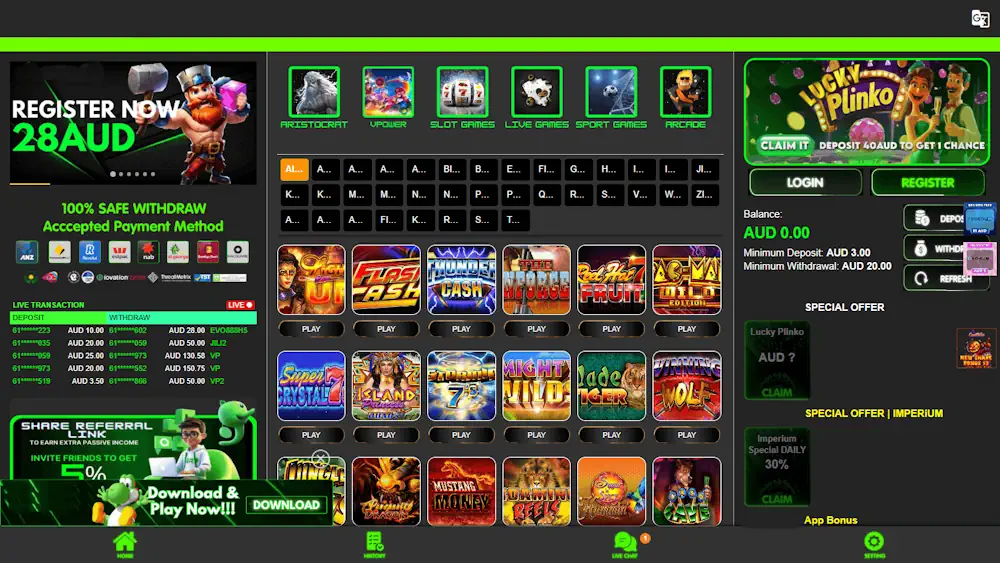
- Licensed game content from at least three major casino slot providers like NetEnt, Pragmatic Play, and Play'n GO.
- A direct slot aggregator platform (like SoftSwiss or iSoftBet) offering 5,000+ games from a single API.
- In-house or third-party table games and live dealer studios.
- Proven sportsbook module for those targeting a wider audience.
- A dedicated payment gateway supporting 30+ deposit methods.
- Full back-office suite for managing promotions, reporting, and player limits.
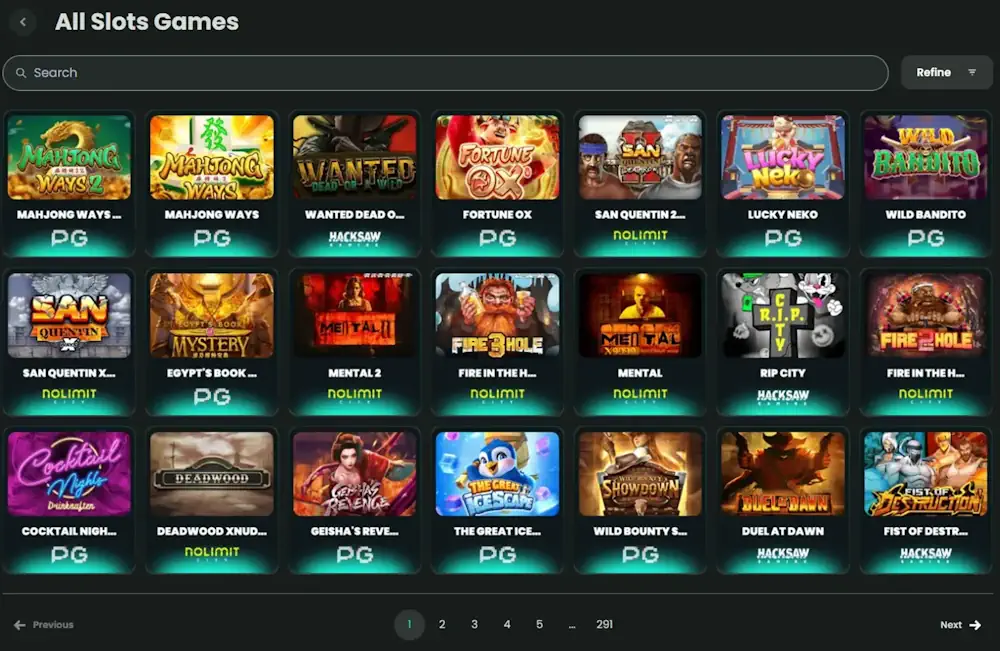
Game diversity is paramount—operators need thousands of titles. I’ve seen platforms fail because they only offered 200 games from one source. Top-tier B2B casino aggregators now give access to over 10,000 games from 100+ developers, all through one integration. This variety directly impacts player retention and lifetime value.
How Slot RNG Certification and PCI Compliance Ensure Platform Integrity
Player trust hinges on verifiable fairness and security. I review these two pillars first.
Building Player Engagement: Features for Tournaments, GGR Management, and Onboarding
Great software does more than just spin reels. I've found player retention lives or dies by engagement tools. Modern igaming platform solutions include automated tournament engines where you can set up daily leaderboards with $500 prize pools. They also have sophisticated GGR management dashboards showing real-time profit per game. A slick, three-step player onboarding process that takes under 60 seconds is vital. Platforms with built-in tournament features see a 25-40% increase in monthly active users compared to those without. That's not a minor boost—it's a survival metric.
Choosing the Right B2B Casino Software: A Comparison of Key Providers and Features
Your choice dictates your operational limits and costs for years. I've tested and negotiated with most major casino software providers. White-label solutions from a B2B casino platform like EveryMatrix start around €50,000 upfront, plus a 25-35% revenue share. A turnkey package from a gambling software provider like Playtech is often double that. You must weigh game portfolio, market focus, and backend flexibility.
The cheapest software will cost you the most in lost players. Never pick a B2B igaming platform based on price alone; evaluate its capacity for your Year 3 growth, not just your Day 1 launch.
Ask about integration timeframes and API documentation quality. A six-month delay can sink a project. In my direct experience, a full platform integration with a competent provider takes a minimum of 3-4 months, not the 6 weeks some sales teams promise. Always get this timeline in writing.
The Role of Casino Aggregators in Streamlining Game and Payment Integration
Instead of integrating dozens of providers separately, operators use a single aggregator. Their core value is simplification.
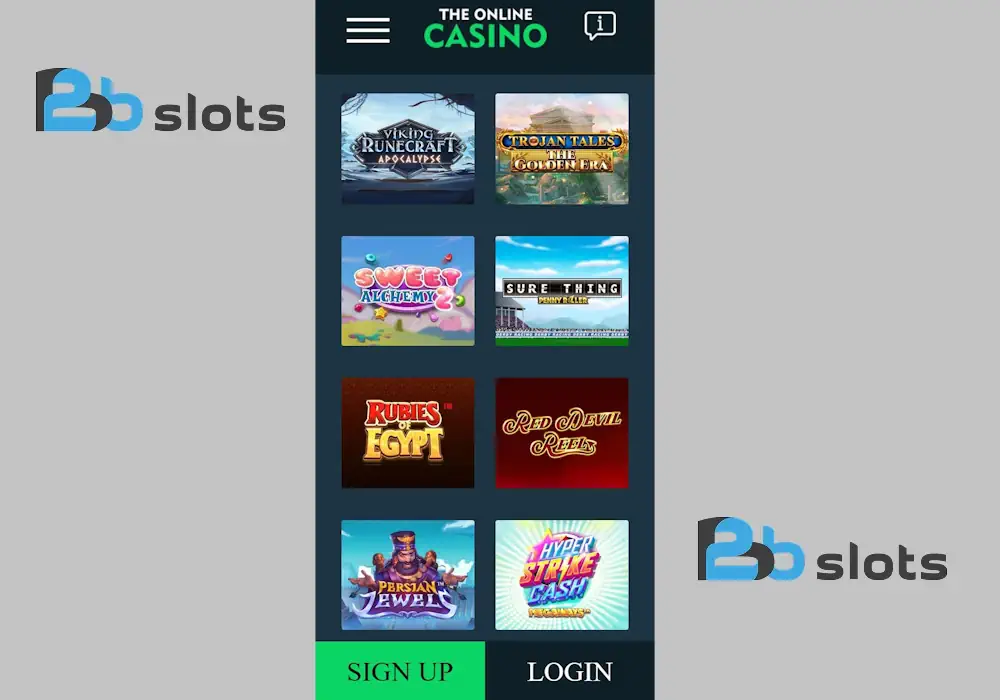
- One API connection provides access to 10,000+ games from 100+ casino slot providers.
- Unified reporting across all game developers on a single dashboard.
- Consolidated financial settlement with one monthly invoice, not fifty.
- Standardized technical documentation and support for the entire portfolio.
- Often include a curated payment gateway with 30+ methods pre-integrated.
I've managed integrations both ways. Adding games one-by-one took my team nine months. Using a slot aggregator platform like Slotegrator cut that to under eight weeks. The trade-off is a slightly higher revenue share, typically an extra 5-10% on top of the game provider's fee. For a new casino, this time-to-market advantage is easily worth the added cost. You can launch faster and iterate based on real player data.
Essential Technical Backbone: Managing Platform Queues and Payment Processing
Player experience crumbles if the backend fails under load. I prioritize two often-overlooked systems.
| System Component | Critical Metric | Industry Standard | My Experience |
|---|---|---|---|
| Deposit Queue | Processing Time | Under 2 seconds | Delays over 5s cause 15%+ abandonment. |
| Withdrawal Queue | Manual Review Time | Under 12 hours | Platforms with automated checks achieve under 2 hours. |
| Live Game Lobby | Seat Access Time | Under 1 second | Evolution Gaming consistently hits 0.3s, others often lag. |
| API Response | P99 Latency | < 100ms | Above 200ms degrades mobile app performance noticeably. |
The Future of Igaming: Trends in Slot Game Development and Provider Specialization
Slot game development is shifting from pure volume to specific mechanics. I'm seeing providers specialize: Pragmatic Play dominates the megaways niche, while Nolimit City pushes 'xWays' and extreme volatility. The new battleground is engagement beyond the spin—features like in-game buyable bonus rounds or 'social leaderboards' within the slot itself. Development budgets for a single high-end slot now regularly exceed $250,000, a 5x increase from five years ago. This forces providers to pick their lane or risk irrelevance.
Strategic Partnerships: How Casinos Select B2B Providers for Sustainable Growth
The initial platform choice is just the start. I advise operators to think in terms of a five-year roadmap. Can your igaming software provider support expansion into new regulated markets like Ontario or the Netherlands? Will their casino backend software scale to handle 10,000 concurrent players? Negotiate contract terms on revenue share reductions after hitting GGR milestones—I've secured drops from 35% to 25%. The right partnership feels like a co-development, not just a vendor relationship. A true strategic partner invests in your roadmap, sometimes offering dedicated R&D resources or joint marketing funds. That's the difference between renting software and building a business.
FAQ
Why is a B2B platform essential for launching a casino?
It provides the licensed, compliant software backbone you cannot build yourself. These igaming platforms handle game libraries, payments, and security, allowing you to focus on marketing and operations.
What's the biggest benefit of using a game aggregator?
Massive time savings. Integrating thousands of games through one API takes weeks, not months. You get instant access to a diverse portfolio crucial for player retention.
Are slot RNG certifications really mandatory?
Absolutely. Certifications from bodies like eCOGRA or GLI are legally required in regulated markets. They prove game fairness and are a fundamental part of player trust.
How do tournaments improve player engagement?
They create competitive goals beyond regular play. My data shows platforms with built-in tournament features can increase monthly active users by 25-40%, directly boosting revenue.
What's a realistic timeline for platform integration?
Assume 3-4 months minimum with a competent provider. Beware of sales pitches promising six weeks; that rarely includes thorough testing, compliance checks, and game integration.
Should I choose the cheapest B2B software provider?
No. The lowest upfront cost often means higher revenue share percentages and limited scalability. Evaluate a provider's capacity to support your growth in three years, not just your launch.